Seasonal garden clean-up: prevent problems before they arrive
- Maintenance
- Seasons
- Garden
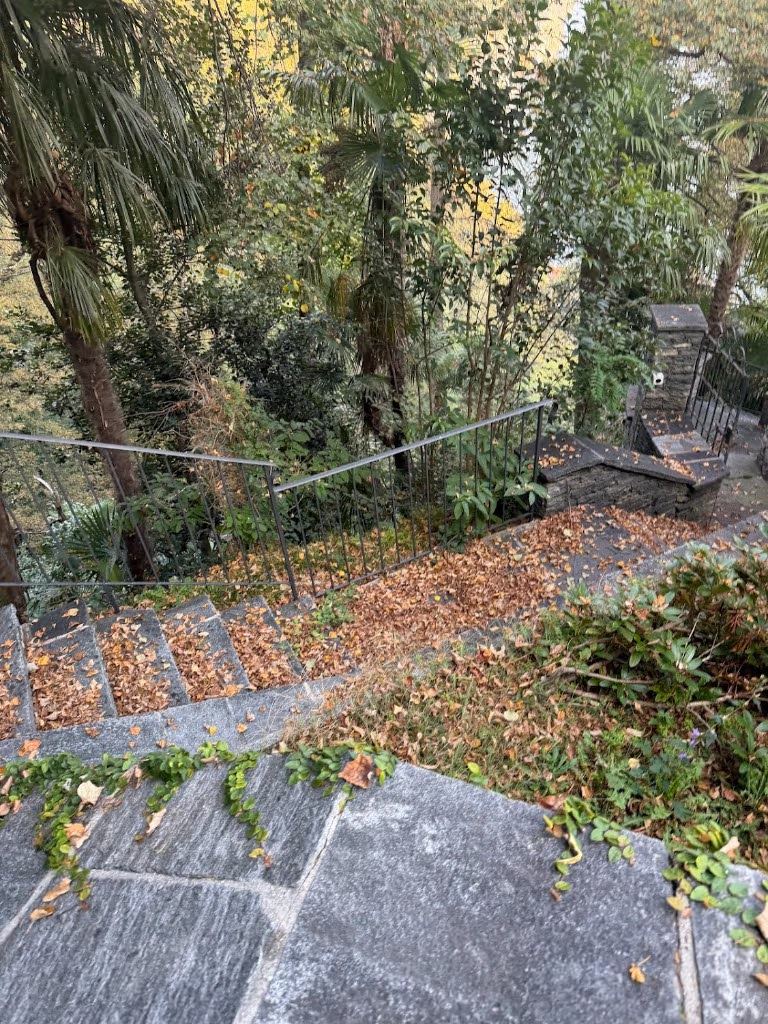
Looking after a garden is not only about appearance: it helps the outdoor space work well all year. Around Lake Maggiore, where the climate lets you enjoy gardens for many months, thorough seasonal clean-up is what separates a tidy garden from one that needs costly, urgent fixes. Working every week on dozens of gardens between Ascona, Locarno and the wider Lake Maggiore area, we have learned that the difference is never one "miracle" intervention but the steadiness of small actions spread across the four seasons.
What to do in spring in the garden?
Spring is the right time to restart after the coldest months. The first real wave of work usually begins in mid-March, when night-time temperatures stop dropping below zero even on the Sopraceneri side. At this stage we remove the leaves left over from autumn, cut branches damaged by wind or the weight of snow, give the lawn its first mow (leaving it slightly taller than the summer average, around 4 cm) and bring the irrigation system back online after winter shutdown.
By April we move on to formative pruning of roses, hydrangeas and summer-flowering shrubs, and run the first targeted checks on box, laurel and cherry-laurel hedges (very common in Ticino gardens) to catch early attacks of box moth or scale insects. On the sunniest slopes, forsythias and wisterias are already in full bloom and it is the right moment to tie the new shoots to their supports.
In May we close the spring cycle with the first complete lawn feed, the transplanting of annuals (geraniums, begonias and surfinias typical of the lakeside balconies) and a tidy-up of perennial beds. On lakeside plots (for example between Brissago, Ronco sopra Ascona and Ascona) this phase is especially important to bring the garden back to its best before the warm season; the same care applies elsewhere in Ticino with a similar climate.
What summer tasks keep the garden healthy?
Summer, from June to August, is the consolidation season more than the time for new plantings. The keyword in these months is regularity: ten short, focused visits beat a single intensive intervention in mid-August on a garden already worn down by the heat.
Water management is the most delicate point. We schedule irrigation early in the morning (preferably before 6:00 am) to reduce evaporation and give roots time to absorb water before the afternoon heat wave. The Mediterranean plants typical of the Locarno area (oleanders, laurels, olive trees, Canary palms and washingtonias) tolerate drought well but suffer from waterlogging: less frequent, deeper watering beats a few minutes every day.
The lawn in summer should be mown higher than usual, around 5–7 cm, to protect roots from the sun and reduce water stress. Hedges need light but frequent trimming: box and yew preferably in June, laurel and photinia at the end of July. On roses and hydrangeas we watch for the fungal diseases typical of humid lakeside gardens (powdery mildew and rust) and intervene at the first signs. Don't forget to clean water features (fountains, basins, drainage channels), where build-up of leaves and debris creates the standing water mosquitoes love.
What to do in autumn in the garden?
Autumn is the season to prepare. September is still a busy month: we apply the last lawn feed (an autumn formula rich in potassium helps reinforce the root system before winter), oversow patches worn by the summer and deep-clean the garden after the hot season. It is also the right time for thorough bed clean-up, removal of weeds that grew in July–August and a first hedge inspection looking for dry branches hidden in the dense growth.
October brings leaf fall. Particularly heavy under maples, magnolias and beeches, very common in the more mature Ticino gardens. It is also the right time to plant spring-flowering bulbs (tulips, daffodils, crocuses) and to divide perennials that have finished their cycle. Collected leaves don't necessarily need to be disposed of: layered in a corner of the garden with some grass cuttings they produce, in 8–12 months, a dark, nutrient-rich compost that you can reuse for the following spring's beds.
In November we close the season: we drain fountains before the first night frosts, move the less hardy potted plants under cover and prune the shrubs that have entered dormancy. From Locarno to Minusio, Gordola and Riazzino, autumn can bring heavy rain, as in other parts of the canton with intense precipitation: a clean garden drains better and suffers less.
What to do in winter in the garden?
Winter is often seen as "downtime" for the garden, but it is actually the best period for many structural jobs and for the most demanding pruning work. Between December and February plants are dormant and fruit trees, wisterias and roses can be pruned hard without stressing them.
On the lake side, watch for isolated frosts: even though the Locarno area enjoys one of the mildest climates in Switzerland, a single cold night can damage unprotected palms and Mediterranean plants. Mulching at the base, non-woven fleece over palm crowns and cold-greenhouse storage for the most delicate potted plants are details that make a real difference.
Winter is also the right time for tool maintenance (sharpening secateurs and shears, servicing chainsaws, mowers and strimmers) and to plan bigger interventions: lawn renewal, new garden construction, building stone walls, outdoor paving or irrigation systems. Starting to plan in January means starting the work as soon as the weather allows, avoiding the peak months when every site is on a waiting list.
For larger gardens, winter is also a chance to rethink planting schemes: annual rotations, replacing diseased hedges, redesigning beds. Free site visits and quotes carried out in these months let the client decide calmly, without the pressure of an already-running growing season.
Why does regular maintenance pay off?
A garden looked after throughout the year needs fewer emergency jobs, copes better with disease and always looks neat. Hiring a professional for seasonal clean-up is a practical choice if you want order without spending every weekend on the lawn and beds. Our experience is that an annual maintenance plan costs less than the sum of spot interventions, because it prevents problems rather than chasing them.
Nikola Giardini e Figli SAGL carries out seasonal clean-up and green-space maintenance across the canton of Ticino, with very frequent visits between Ascona, Locarno, Minusio, Gordola, Riazzino, Brissago and Ronco sopra Ascona and around Lake Maggiore. We work both on private villa gardens and on larger settings (residences, B&Bs, lakeside hospitality venues) and offer annual contracts with a pre-set seasonal calendar or one-off interventions on request. Contact us to book a visit even if you live in another municipality: for more complex projects the site visit is always free and no-obligation.