How to reduce mosquitoes in the garden during summer
- Maintenance
- Summer
- Garden
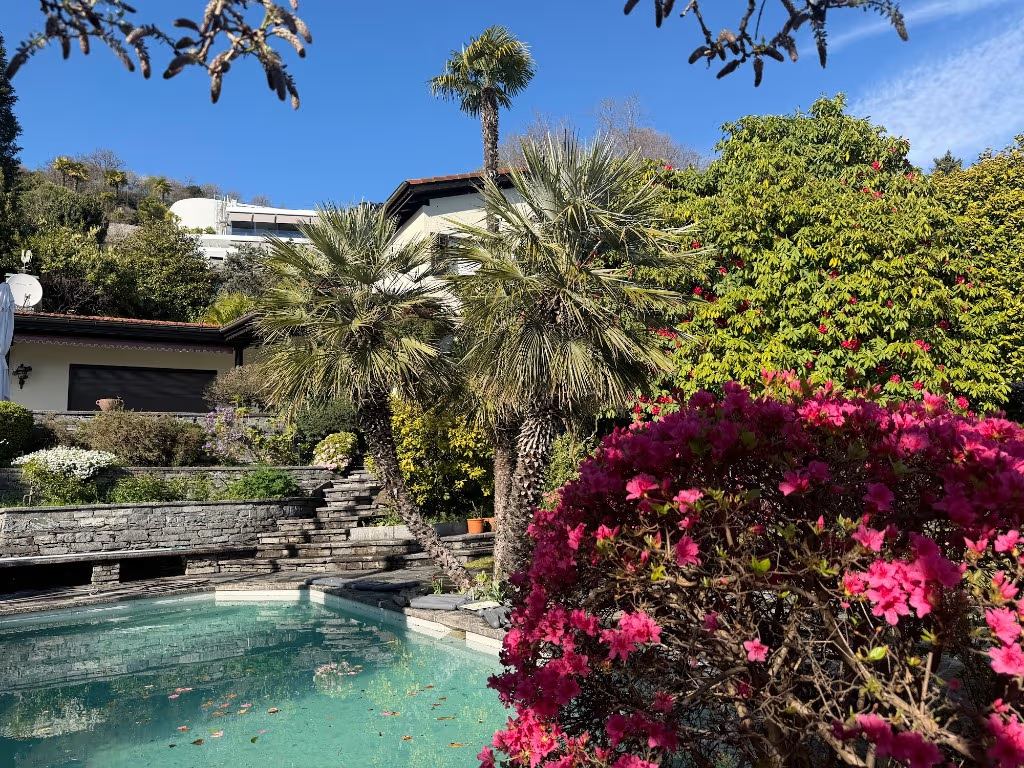
When temperatures rise, mosquitoes are among the most annoying garden pests. Around Lake Maggiore, between Locarno, Minusio, Gordola, Riazzino, Ascona, Brissago and Ronco sopra Ascona, warm humid summers near the water are ideal for them. Similar conditions occur in other damp parts of the canton. A few habits and good green-space maintenance can greatly reduce the nuisance.
In recent years, on the Swiss side of Lake Maggiore as in many parts of southern Europe, the tiger mosquito (Aedes albopictus) has joined the common mosquito (Culex pipiens). The difference for anyone using the garden matters: the tiger mosquito is active during the day, not only at dawn and dusk, and is particularly aggressive. That changes the approach to reduction too: treating the garden only for the evening is no longer enough. You need attention covering the whole day, particularly the hours when you have lunch or play in the garden with the children. Unlike the common mosquito, the tiger lays eggs in very little water (even less than a centimetre at the bottom of a saucer) so prevention requires capillary attention to standing-water points.
What is the mosquito life cycle and why does breaking it matter?
A mosquito goes through four stages: egg, aquatic larva, pupa and adult. The full cycle takes 7 to 14 days depending on temperature, and happens entirely in small amounts of stagnant water. A single female lays 100–200 eggs at a time, and can run 3–4 cycles in her life. That is why removing standing water is infinitely more effective than adulticide treatments: no standing water, no larvae; no larvae, no new adults. Even a saucer 5 cm deep left full for a week is enough to produce dozens of new mosquitoes.
Where do mosquitoes hide in the garden?
Mosquitoes breed wherever water stands, even in small amounts. Typical problem spots in a garden are:
- Plant pots and saucers holding stagnant water
- Piles of leaves that trap moisture
- Shady areas with tall grass and poor drainage
- Ditches and slight hollows in the ground
- Blocked gutters and drains without grates
- Tarps, grill covers or plastic sheets collecting rainwater
- Tyres, buckets, wheelbarrows and tools forgotten outside
- Cavities in trees or walls that hold water after rain
- Rainwater collection barrels without lid or mesh
Even a small detail makes the difference: a balcony plant-saucer tray emptied once a week reduces the mosquito population of that courtyard much more sharply than any chemical treatment. The practical rule: if it holds water for more than three days, it is a potential breeding site. A typical example in Locarnese gardens: the saucers of potted lemons and citrus trees, often full at the end of summer after afternoon showers. Two weeks of inattention is enough to turn them into a tiger-mosquito nursery.
How do you reduce mosquitoes in the garden?
Start by removing all standing water and mowing the lawn regularly. Tall grass creates a cool, damp microclimate mosquitoes love, where adults shelter during the hottest hours. Dry leaves piled in corners should also be cleared on a schedule. For water points that cannot be removed (decorative fountains, water basins, rainwater collection) there are biological solutions based on Bacillus thuringiensis israelensis (Bti). Tablets or granules that kill larvae without harming bees, fish or other beneficial organisms.
Pruning dense hedges and shrubs improves airflow and reduces the shady pockets these insects prefer. Keeping beds tidy and managing irrigation carefully are further effective measures. On irrigation, it is worth scheduling the system so the soil dries between cycles: a permanently damp garden surface is exactly what adult mosquitoes look for to rest.
Complementary solutions exist too: plants with natural repellent action (citronella, lavender, scented geranium, basil, marigold, bee balm) placed at strategic spots (entrances, terraces, outdoor dining areas) do not eliminate the problem but reduce close-quarter presence. Water basins and rainwater barrels should be covered with fine mesh, and drains cleaned regularly to prevent build-up.
Coordinated effort with neighbours makes a real difference, especially in residences and apartment-block contexts in the Locarno area: one untreated property cancels out the efforts of all the others, because adult mosquitoes comfortably cover 100–200 metres of flight. If you live in a terraced-house or residence setting, it is worth proposing a shared calendar or a joint monitoring service.
What types of mosquito treatment exist?
For larger gardens or particularly critical situations, several treatment options exist: the Bti biological larvicide treatment already mentioned (the most targeted, lowest-ecosystem-impact solution), periodic adulticide misting (focused on hedges and dense areas, carried out at dawn or dusk to reduce the impact on bees and other pollinators), CO₂ traps that attract and capture females, and automatic perimeter misting systems (more expensive but effective for representative gardens, B&Bs and restaurants with outdoor service). The choice depends on size, frequency of garden use and budget. A professional site visit helps decide without unnecessary spending.
An important point about adulticide treatments: every product effective against mosquitoes is also effective against useful pollinators (bees, bumblebees, hoverflies). For that reason, treatments should be limited to genuinely critical areas, avoided on days of intense flowering and always pre-announced to nearby beekeepers where present. The best strategy remains prevention (water removal + Bti larvicide) over cure (adulticide).
Does professional maintenance help against mosquitoes?
A regularly maintained garden is the most effective way to keep mosquitoes in check. Anyone living by the lake (for example in Minusio, Gordola or Riazzino) knows how real the problem is on summer evenings, as do residents in other Ticino areas with standing water or thick vegetation. Seasonal clean-up, mowing and pruning greatly reduce favourable conditions. An annual maintenance programme that includes monthly checks during the summer season (May–September), gutter and drain cleaning, correct irrigation management and targeted pruning of dense hedges and shrubs is the most cost-effective investment for anyone who wants to enjoy the garden in summer without noticing the problem.
Nikola Giardini e Figli SAGL is based in Ascona and works across the canton of Ticino, with very frequent projects between Locarno, Minusio, Gordola, Riazzino, Ascona, Brissago and Ronco sopra Ascona. For clients particularly affected by mosquito problems we offer targeted summer maintenance programmes combining clean-up, pruning and biological treatments on residual standing-water spots. We also work on larger settings (residences, B&Bs, lakeside hospitality venues) where the mosquito issue directly affects guest satisfaction and therefore reviews. Contact us for a free quote: we consider enquiries from any municipality.